Joysticks, D-pad Controls, & Movement
Joysticks, analog sticks, and directional pads are key tools in creating accessible movement options for gamers with physical disabilities. These input devices translate motion into control, allowing players to navigate game environments with precision and comfort. Joysticks can be modified for range of motion, resistance, or grip style, while analog sticks can be adapted with extensions, custom caps, or mounts to suit each player’s mobility needs. Directional pads (D-pads) offer tactile, discrete inputs for those who prefer or require more defined movement commands. Whether used independently or integrated into adaptive controllers, these movement-based inputs empower players to explore, compete, and connect through gaming. Below, you’ll find a variety of options for joysticks, analog sticks, and D-pads to support customized accessibility setups.
Analog Sticks (Joysticks)

Analog sticks, often referred to as joysticks, allow for smooth, multidirectional control that responds to subtle movement and pressure. They can be adjusted for resistance, range of motion, or grip type to match a player’s physical abilities. Many adaptive setups use larger joysticks, lighter touch sensors, or mounts that can be controlled by the hand, chin, or other body parts. These customizations help players navigate complex game environments with precision and comfort. Below you’ll find several accessibility options for analog sticks that may be beneficial for your clients.
Directional Pads (D-pads)
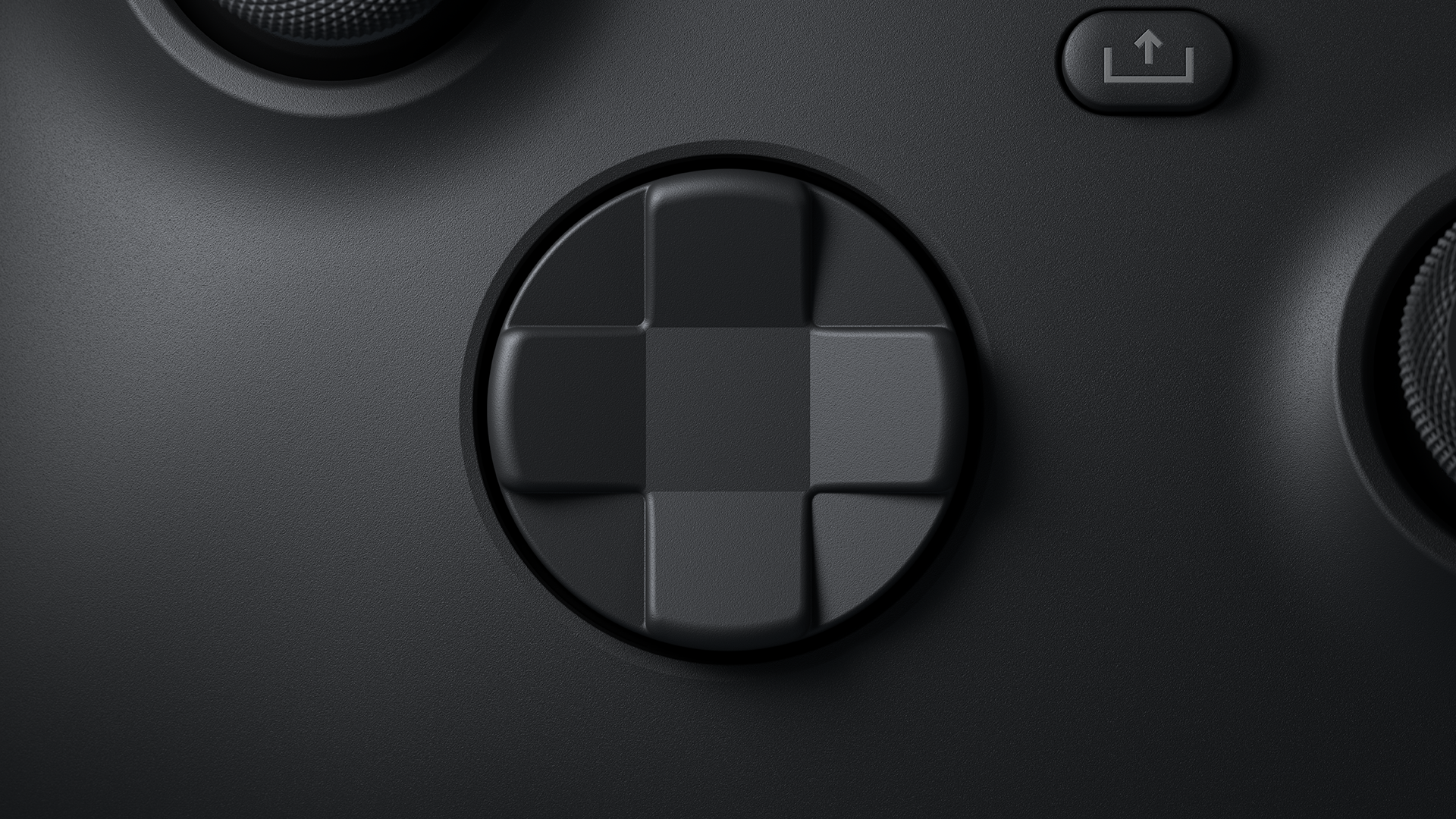
D-pads can be used in a variety of different ways. For some games, they are used supplemental features within the game. For other games, they can be used for movement. When given the opportunity to use the D-pad for movement, it provides precise, discrete directional inputs. The controls are typically up, down, left, and right. This makes them ideal for players who prefer or require clear, defined movements over continuous motion. Their tactile feedback helps users maintain control without the need for fine motor adjustments. Accessible D-pads can be spaced out, enlarged, or positioned for easier reach, supporting a wide range of movement abilities and control preferences. Below you’ll find several accessibility options for directional pads that may be beneficial for your clients.
Other Movement Options
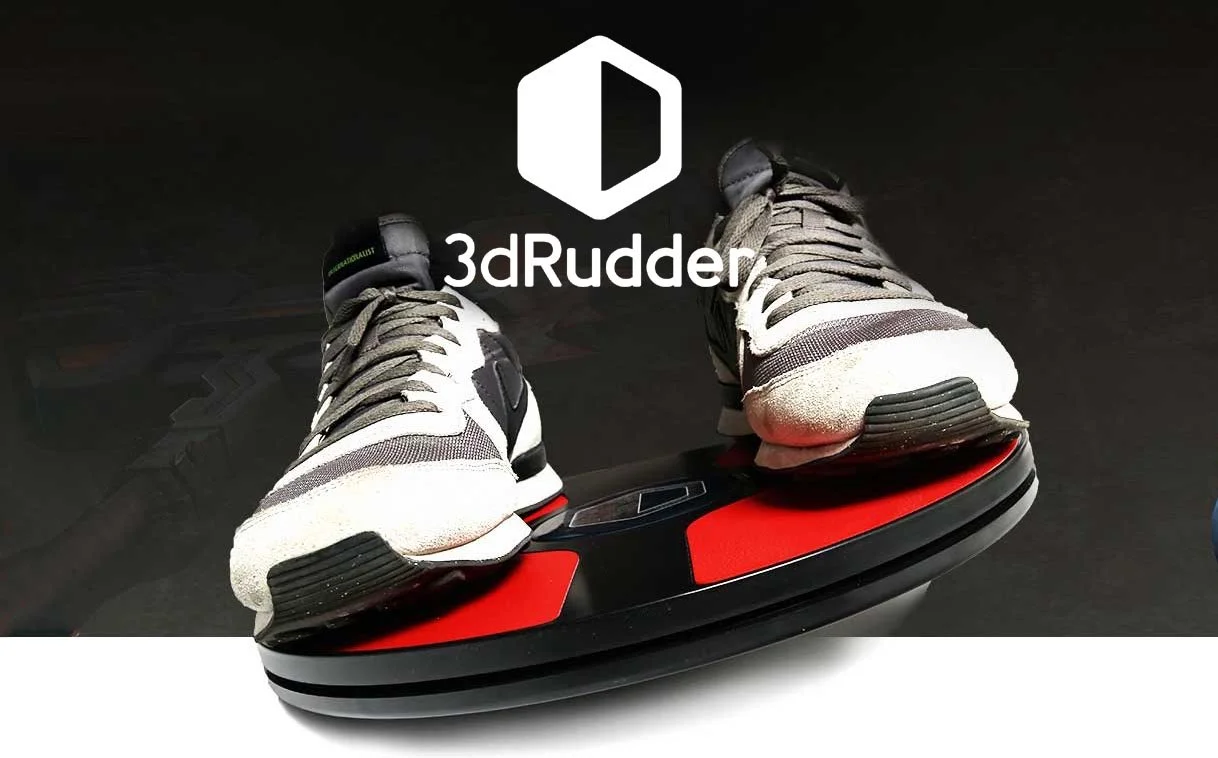
Beyond traditional sticks and pads, movement can be controlled through alternative input methods such as motion sensors, tilt controls, trackballs, or touch-sensitive pads. Some adaptive systems even integrate head tracking, eye gaze, or gyroscopic controls for players with limited limb mobility. These alternative options expand access by allowing players to move and explore in ways that fit their individual capabilities and comfort. Below you’ll find several other accessibility options movement that may be beneficial for your clients.